
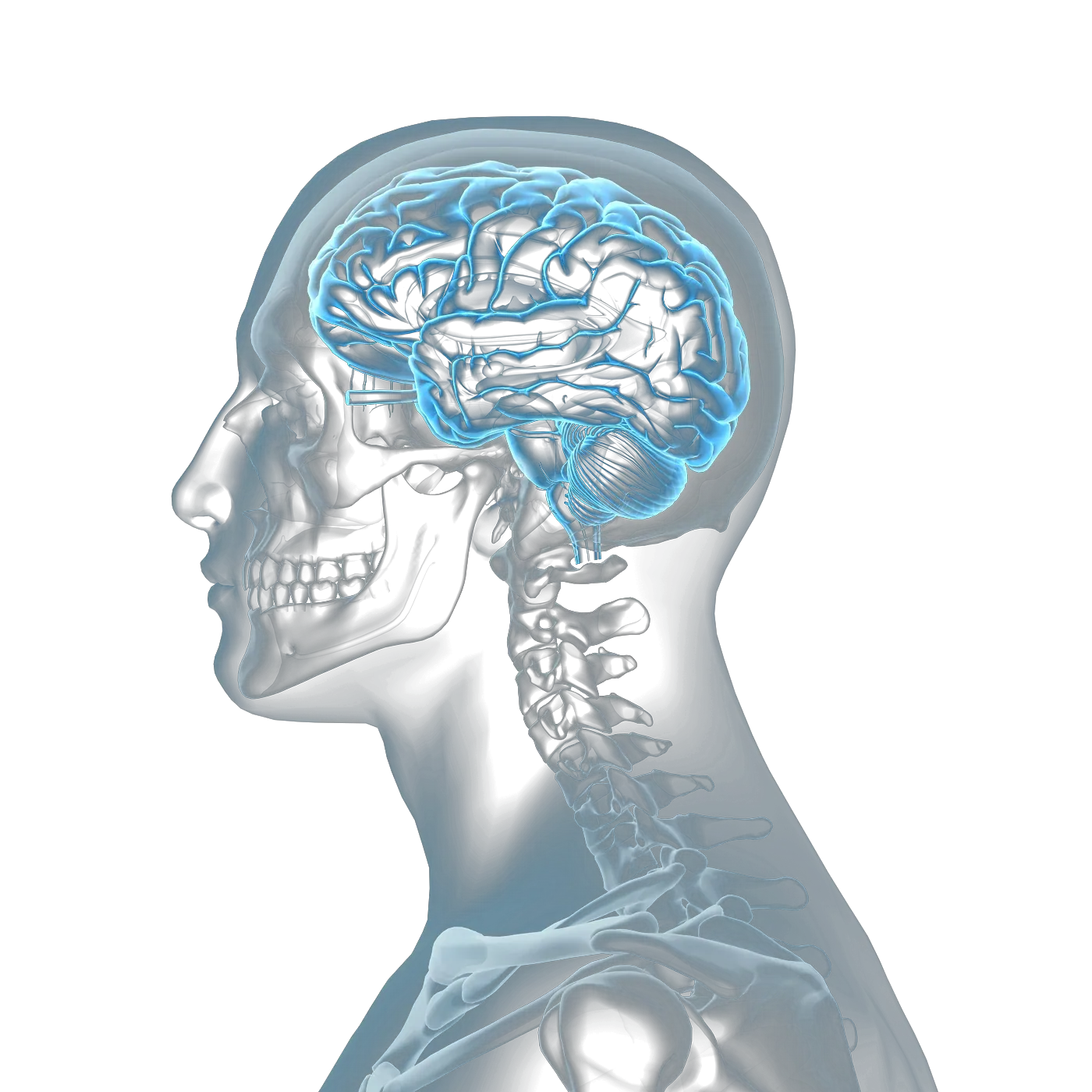
Clinical focus
Spine, neuro and cranio-maxillofacial
Five pathways, held to one standard: cervical, thoracolumbar, neuro and cranial, patient-specific, and cranio-maxillofacial. This page describes the range at a level useful to anyone; full specifications, technique guides and controlled documentation are reserved for registered healthcare professionals.
Cervical fixation
Anterior plating, interbody cages and posterior cervical fixation.

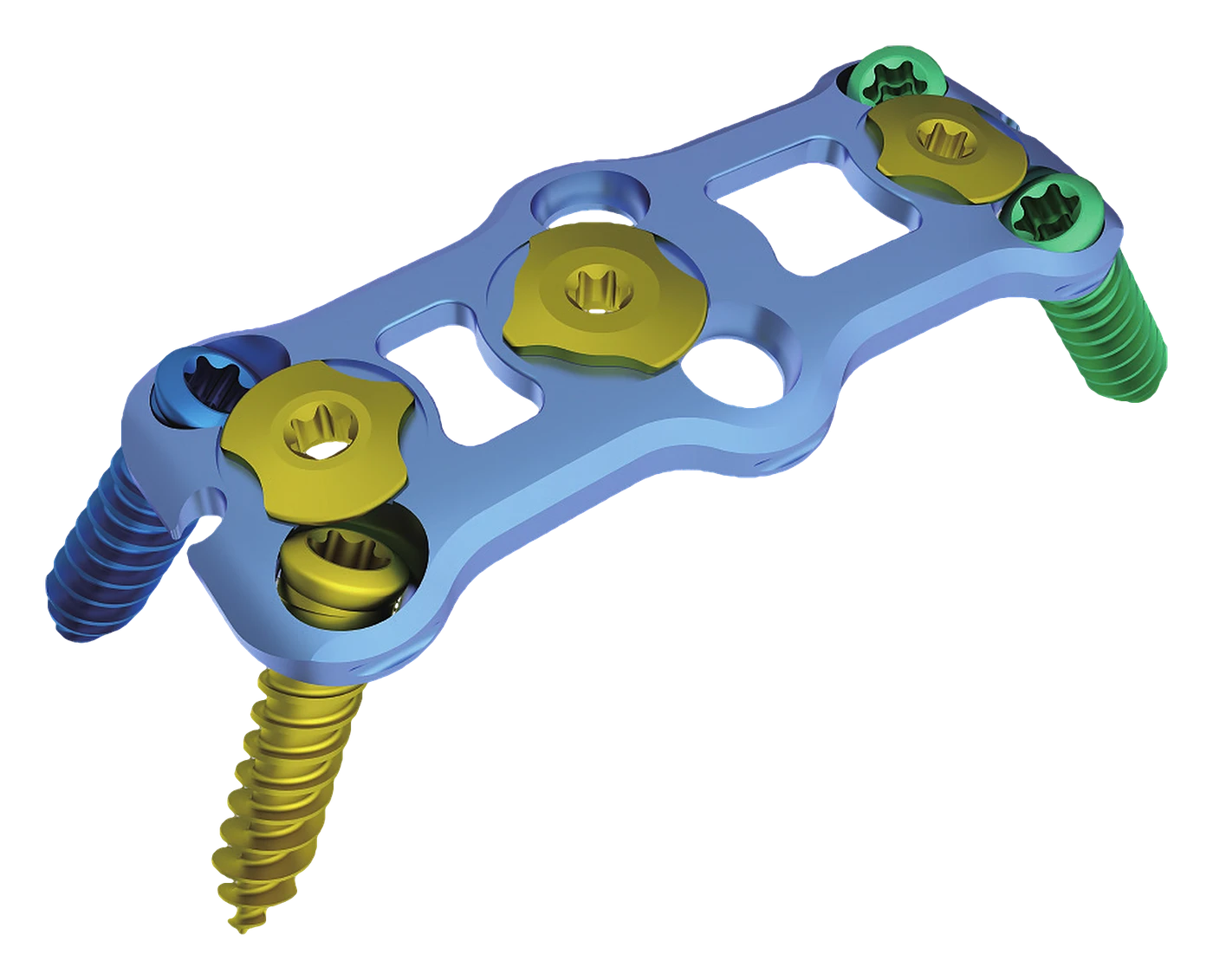
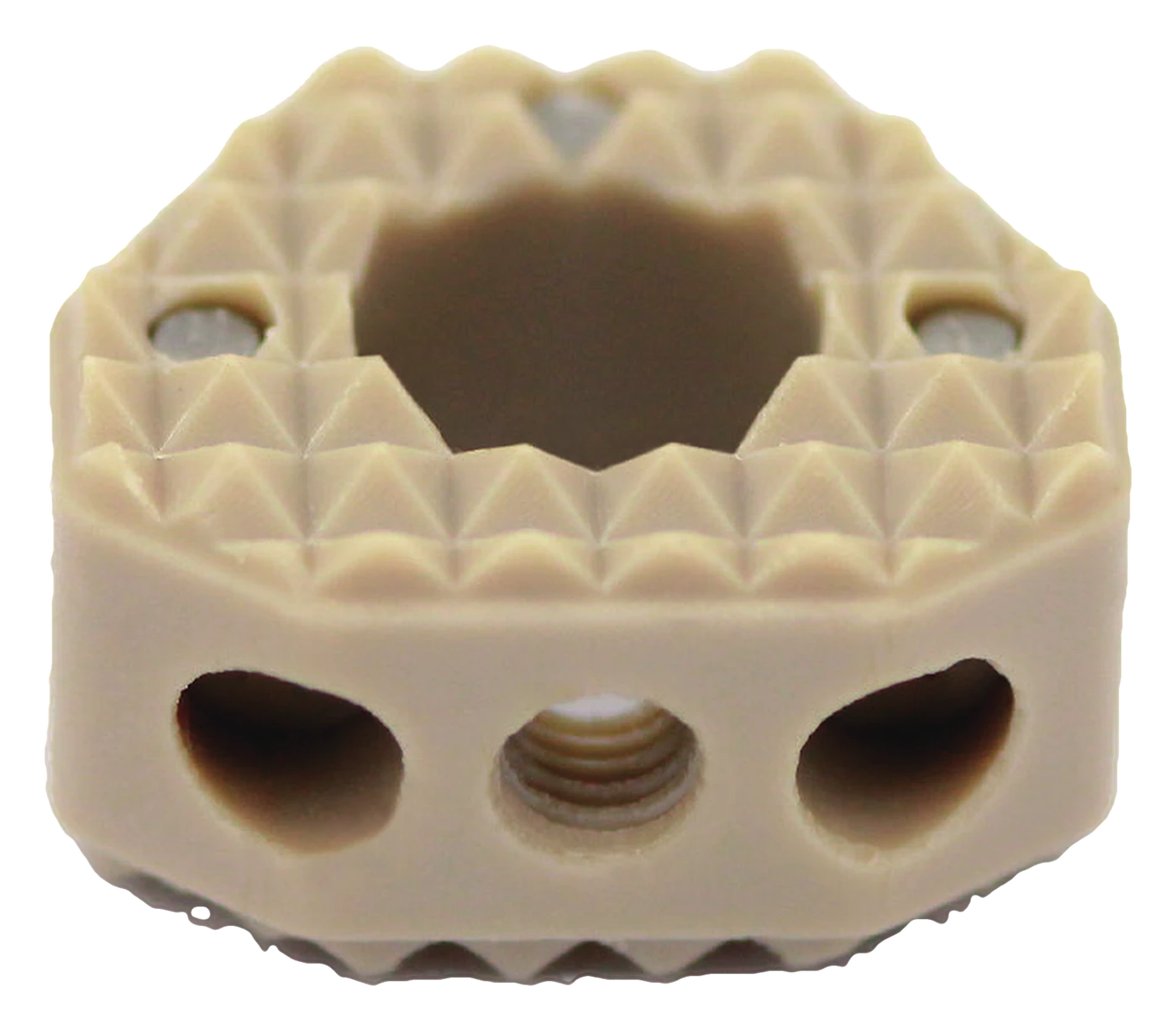
Anterior and posterior systems for degenerative, traumatic, neoplastic and deformity cases, from single-level ACDF to occipitocervical fixation. Every case comes with a confirmed kit and a technique guide reviewed with your team beforehand.
In the range
- Low-profile anterior plates (1.75 mm), four to ten holes
- PEEK and titanium cages
- HOBBIT posterior rod-screw system to the occiput
- Laminoplasty plates for multilevel decompression
Typical indications
- Degenerative disc disease
- Radiculopathy, myelopathy and OPLL
- Trauma, tumour and deformity
Indications for each device are set by its instructions for use. Clinical decisions remain the surgeon’s.
Thoracolumbar fixation
Open and MIS posterior fixation, lumbar interbody and vertebral augmentation.
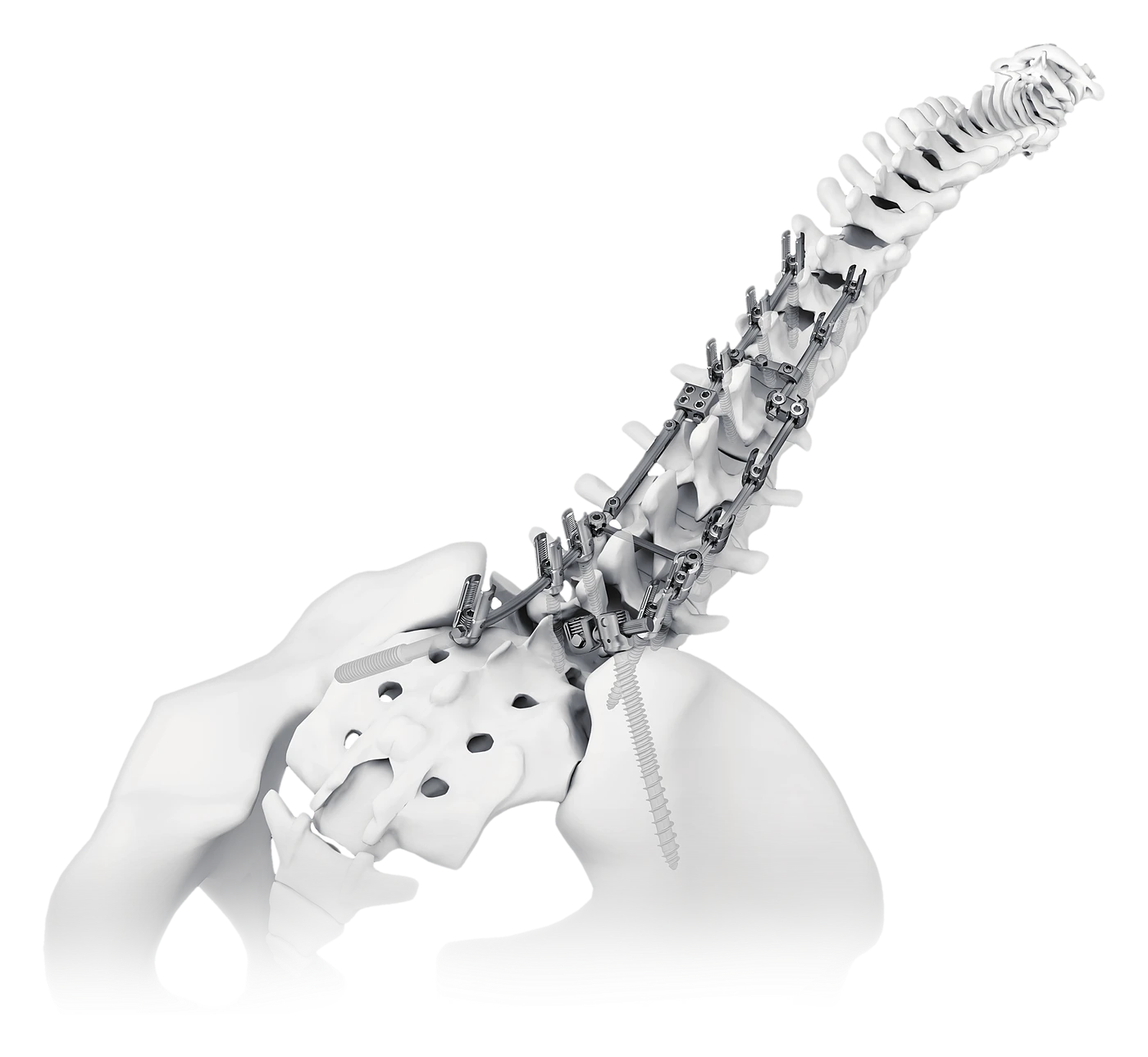
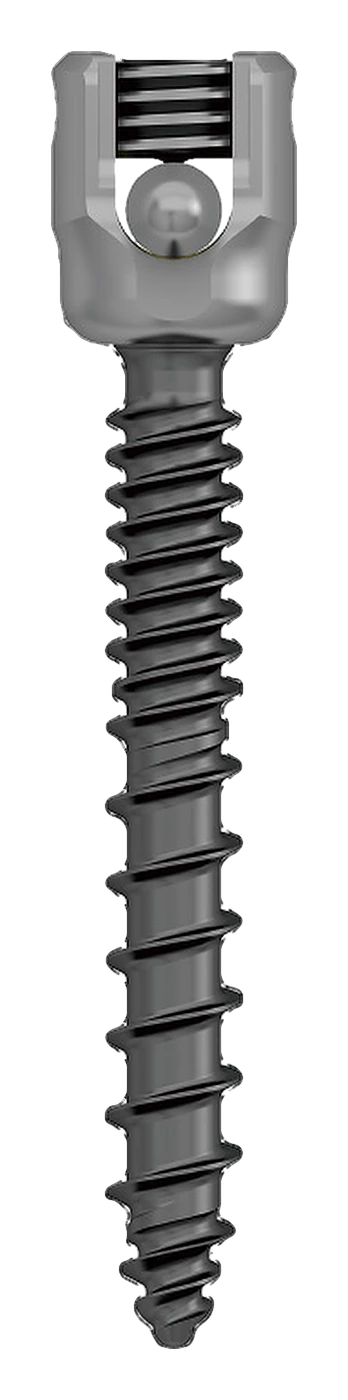
Pedicle-screw fixation, interbody cages and vertebral augmentation for degenerative, deformity, trauma and tumour cases, kitted per level and per approach.
In the range
- HOBBIT 5.5/6.0 open and TINA MIS pedicle-screw systems
- 5.5 mm rods, contoured in theatre
- PLIF, TLIF and OLIF cages in PEEK and titanium
- PVP/PKP kits with BoneFix spinal bone cement
Typical indications
- Degenerative lumbar conditions and stenosis
- Spondylolisthesis and deformity
- Trauma, tumour and vertebral compression fractures
Indications for each device are set by its instructions for use. Clinical decisions remain the surgeon’s.
Neuro & cranial
Flap fixation, cranioplasty, skull-base repair and dural closure.

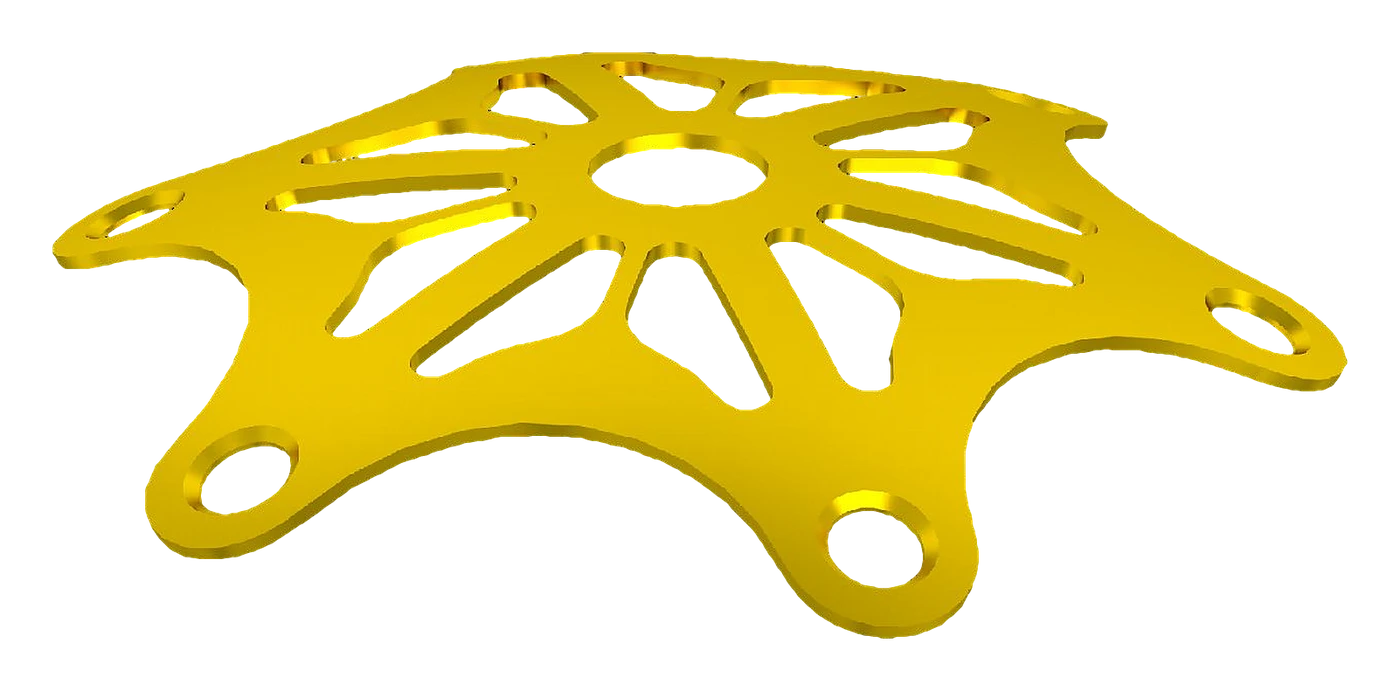
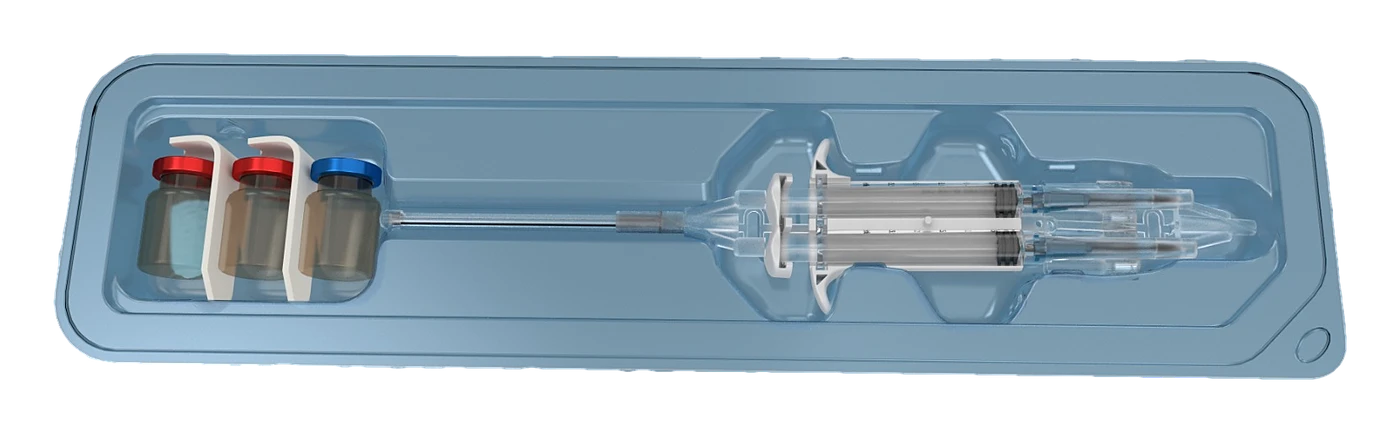
A cranial range in four materials (titanium, PEEK, UHMWPE and resorbable PLLA), so the implant can be matched to strength, imaging, cost or temporary support. A new dural sealant completes the closure.
In the range
- Titanium mesh, low-profile plates and self-drilling screws
- Instrument-free PEEK cranial clamps, 12 to 22 mm
- UHMWPE skull-base repair sheet; resorbable plates and clamps
- Dural sealant for watertight closure (new)
Typical indications
- Bone-flap fixation after craniotomy
- Cranioplasty and skull-base repair
- Dural closure and CSF leak prevention
Indications for each device are set by its instructions for use. Clinical decisions remain the surgeon’s.
Neuro & cranial detail (professional) Dural sealant (professional)
Patient-specific reconstruction
Implants designed from one patient’s own CT scan.
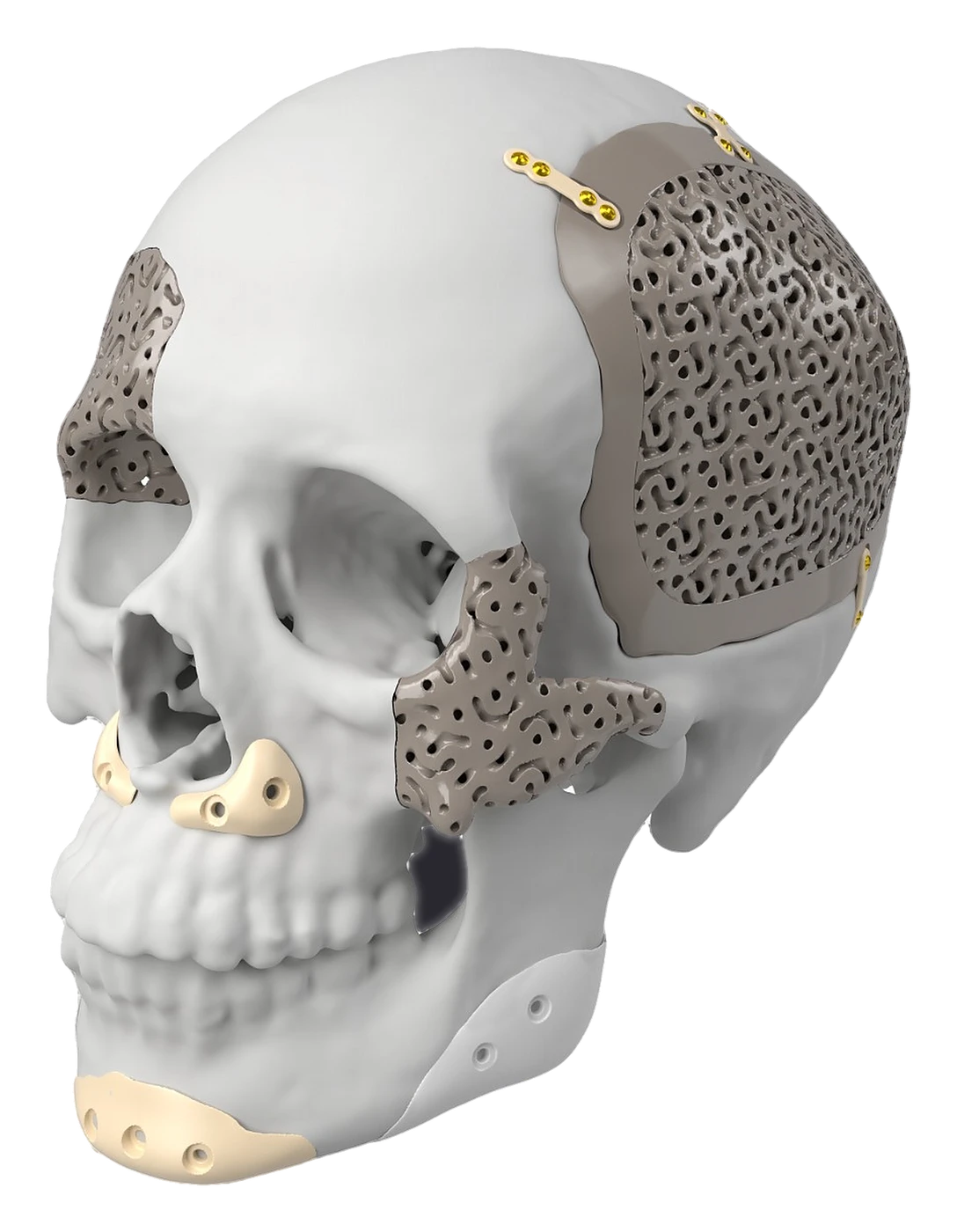
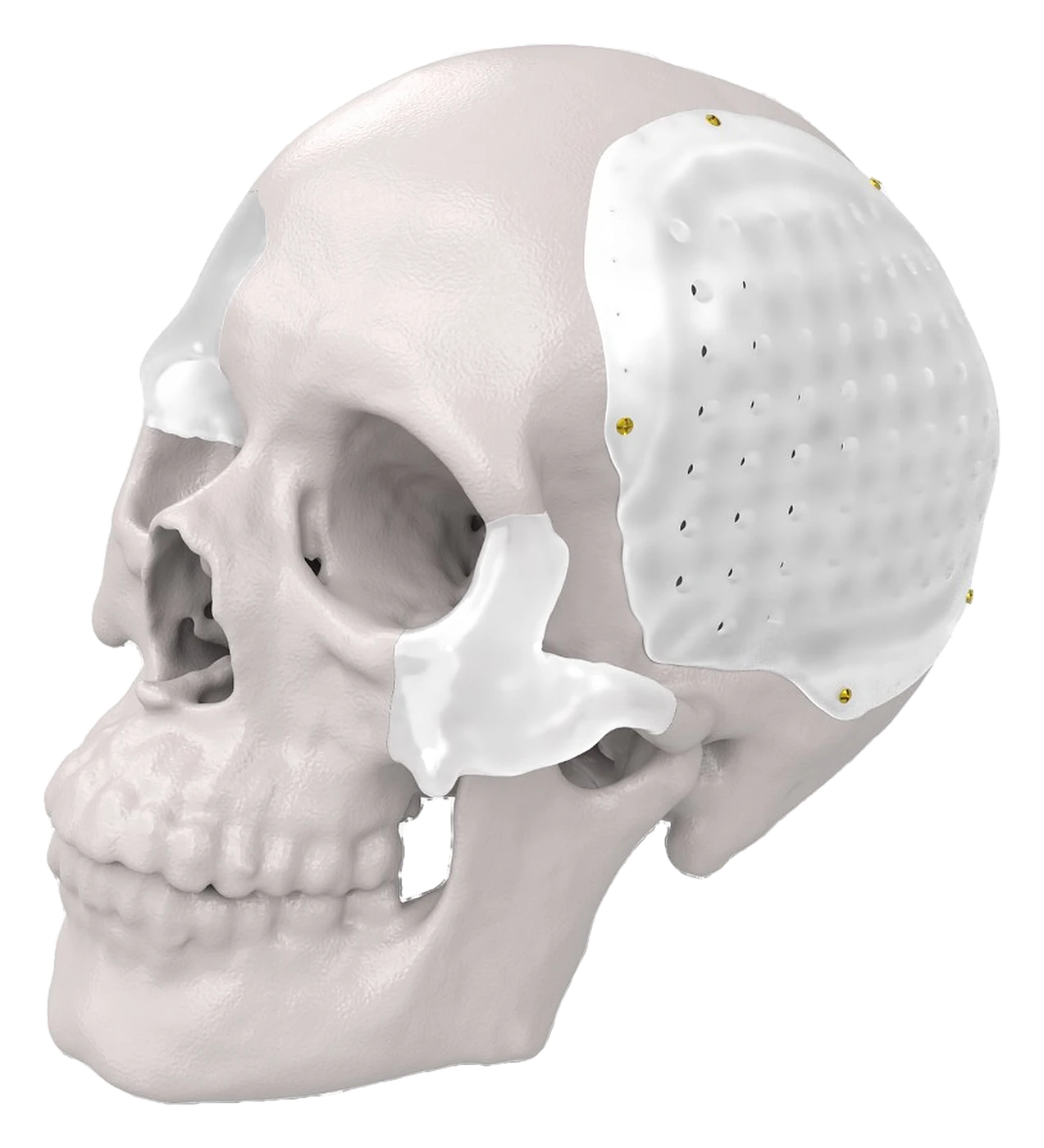
Cranial and facial implants built to the patient’s anatomy, signed off by the surgeon before they are made. Once the design is approved, production and dispatch usually take two to three days.
Materials
- PEEK + BCP, our newest option, for bone integration
- PEEK from Invibio raw material
- UHMWPE, trimmable in theatre, with a drainage groove
- Titanium, and CMF plates with cutting guides
Typical indications
- Cranioplasty after decompressive craniectomy
- Complex or large skull defects
- Facial contour and orbital-rim reconstruction
Indications for each device are set by its instructions for use. Clinical decisions remain the surgeon’s.
Cranio-maxillofacial fixation
Titanium plates, meshes and screws for the face and jaw.
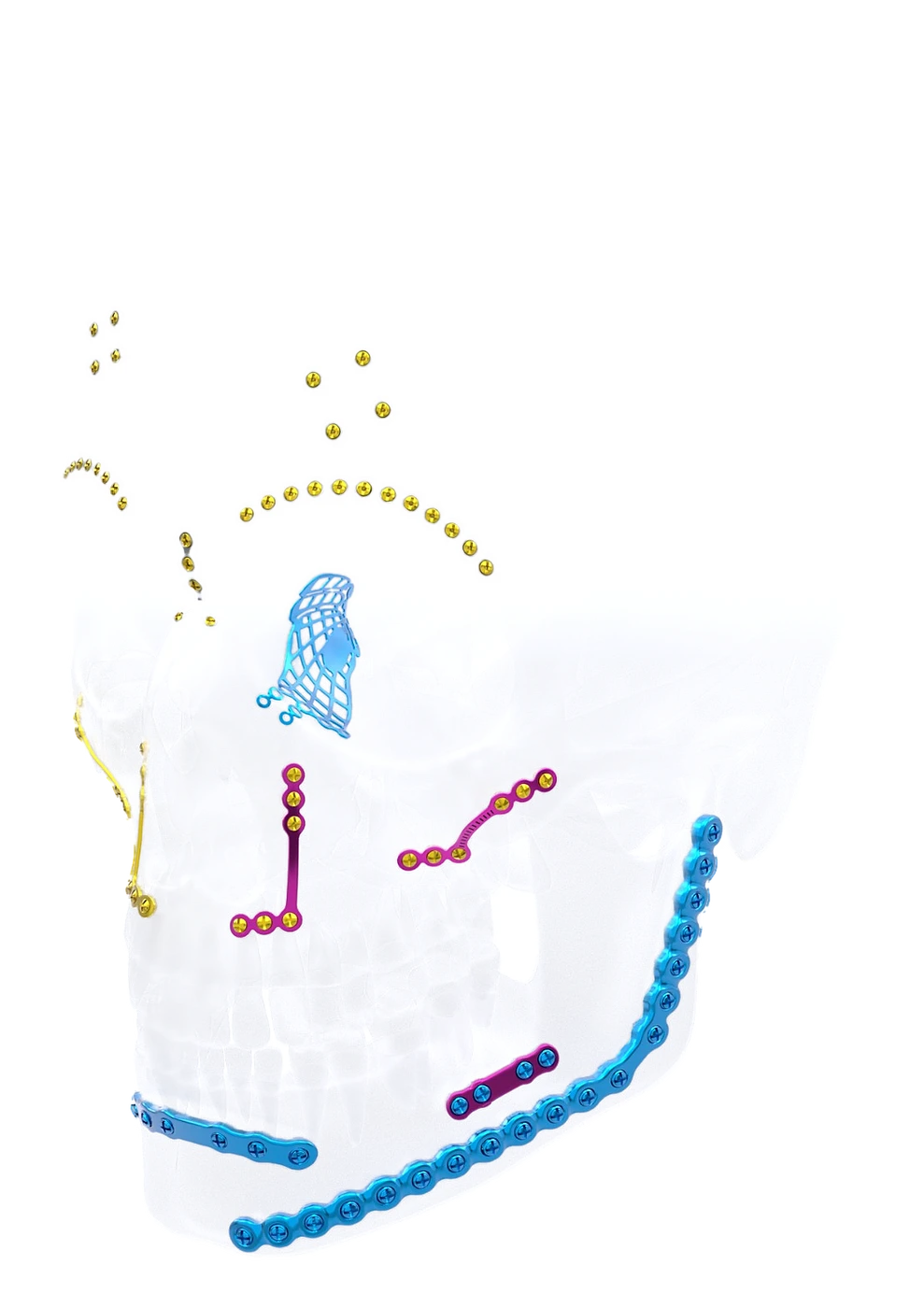

Midface, mandible, orbital and orthognathic systems, with plate thickness matched to load, and a patient-specific option for planned reconstruction.
In the range
- Midface 1.5 and mandible 2.0 and 2.4 systems
- Orthognathic plates, standard or patient-specific
- Monoblock and split-type orbital plates
- Detachable mandibular distractor
Typical indications
- Midface and mandibular fractures
- Orthognathic and orbital surgery
- Mandibular reconstruction
Indications for each device are set by its instructions for use. Clinical decisions remain the surgeon’s.
Preparation and follow-through
The same five stages, whichever pathway the case belongs to.

-
01Before booking
Clarify
We confirm the procedure, levels, surgeon preference and hospital requirements before anything is booked.
-
02Before the list
Prepare
We build the kit to the confirmed construct, check it against the pick list and stage it early enough to fix any shortfall.
-
03Before the day
Coordinate
Theatre, CSSD and the surgical team agree timing, sterilisation turnaround and who owns each task on the day.
-
04In theatre
Support
A trained specialist supports the product in theatre, within a clearly defined technical role.
-
05Same day
Close
Batch, case and site are recorded the same day, so every implant can be traced without a search.
Registered as a healthcare professional?
Enter the professional area for full specifications, technique guides and controlled documentation.